

Table of Contents
- Is Decaf Coffee Bad for You? The Short Answer
- How Decaf Coffee Is Made, and Why the Method Matters
- Decaf Coffee Health Benefits Backed by Research
- Decaf Coffee Side Effects and Who Should Be Careful
- Decaf Coffee During Pregnancy: What the Guidance Says
- Decaf vs. Regular Coffee: Caffeine, Acidity, and Sleep
- How to Choose a Decaf You'll Actually Enjoy
- Frequently Asked Questions
Last Updated: October 17, 2026
Is Decaf Coffee Bad for You? The Short Answer
No, decaf coffee is not bad for you. At Midnight Coffee, we offer decaf for people who want the taste and comfort of a good cup without the stimulation.
Here's the nuance most headlines skip: the real questions are how the beans were decaffeinated, how much residual caffeine remains, and what you add to the cup.
Below, we'll show you exactly how decaf is made, what the research and health authorities actually say, and who should pay closer attention.
How Decaf Coffee Is Made, and Why the Method Matters
Decaffeination is the process of removing caffeine from green coffee beans before roasting, and the method used shapes both flavor and how much chemical residue, if any, reaches your cup.
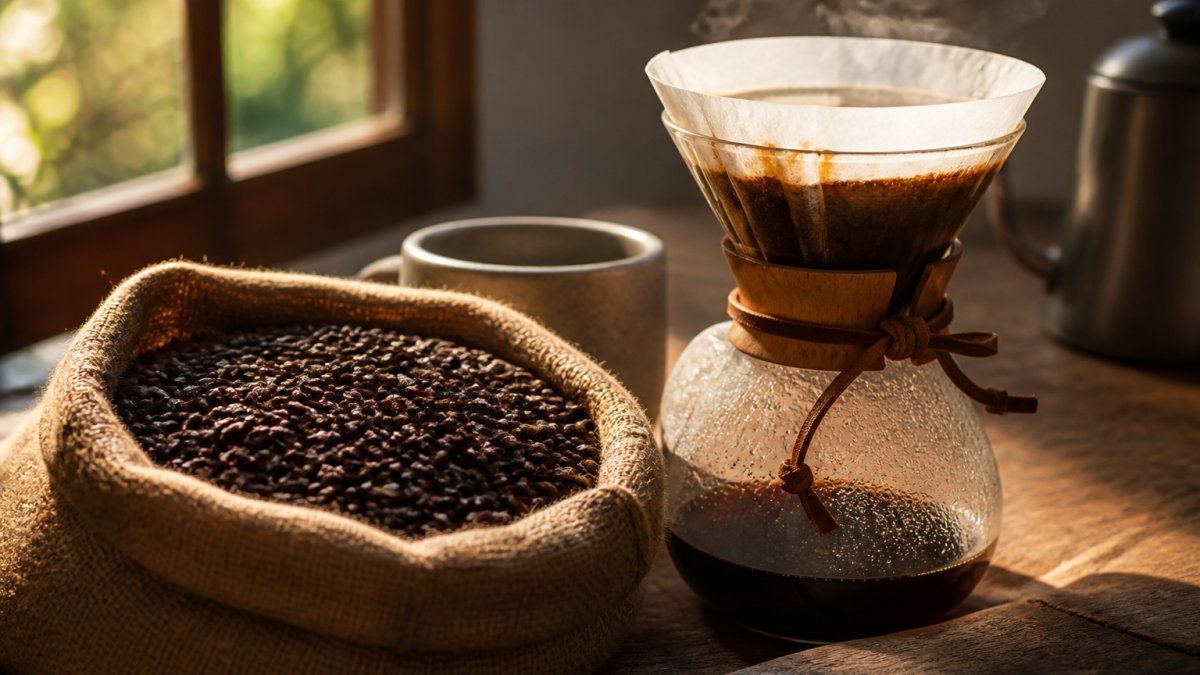
The process is not a single trick but a family of techniques, and the differences matter more than most drinkers realize.
Solvent-Based Processes and Chemical Residues
The two solvent methods, direct and indirect, use methylene chloride or ethyl acetate to strip caffeine from the beans. These names alarm people, but the key context is dose and regulation: in most markets, the solvents are used in a controlled cycle and then largely removed, and finished decaf is subject to residue limits set by food safety regulators. Methylene chloride is the one that draws the most scrutiny because of occupational exposure concerns, not typical dietary intake.
Water, CO2, and Swiss Water Methods
Water-process decaf uses water and a carbon filter to separate caffeine, while the CO2 method uses pressurized carbon dioxide to pull caffeine from the beans. Both avoid chemical solvents and are common in specialty coffee. The Swiss Water process, a branded version of the water method, is popular with roasters who want a clean label and traceable sourcing. These methods can be gentler on flavor, which is why the best-tasting decafs often come from them.
Decaf Coffee Health Benefits Backed by Research
Decaf coffee health benefits largely mirror those of regular coffee, minus the stimulation. Decaf retains much of the antioxidant content of regular beans, including phenolic compounds and polyphenols, which are linked to general health support.
What does the evidence actually support? Broadly, coffee consumption, caffeinated or not, has been associated in large observational studies with favorable outcomes for things like liver health and type 2 diabetes risk, though these studies show association, not proof of cause.
- Antioxidants: decaf keeps many of the beneficial polyphenols found in regular coffee
- Lower stimulation: no caffeine jolt means less risk of jitters or sleep problems
- Routine-friendly: a way to enjoy coffee late in the day or during pregnancy (with guidance)
Decaf Coffee Side Effects and Who Should Be Careful
Decaf coffee side effects are usually mild, but they are not zero, and the people who notice them are often the same people who assume decaf is a free pass. The honest framing is that decaf removes most caffeine, not all of coffee's other active compounds, and it does not remove the effects of how you brew or what you add.
What the evidence actually shows
Most of what we know about coffee and health comes from large observational studies, which can show associations but cannot prove cause and effect. That limitation matters here: when a study links coffee to reflux, blood pressure changes, or sleep disruption, it is usually describing a pattern across a population, not a guaranteed outcome for you. A common pattern in the research is that effects are dose-dependent and highly individual, which is why two people can drink the same cup and report opposite experiences.
Common side effects, ranked by how often they come up
- Digestive discomfort and reflux. Decaf is still acidic and still contains compounds that can relax the lower esophageal sphincter in sensitive people. If you get heartburn from regular coffee, decaf may reduce it slightly but often does not eliminate it. Lower-acidity brews, cold brew, and drinking with food are practical mitigations.
- Blood pressure and heart rate. Caffeine is the main driver of coffee's short-term cardiovascular effects, so decaf produces a much smaller bump. But decaf is not inert: some people still notice a mild change, and anyone managing hypertension or a heart condition should treat coffee as one variable among many rather than a standalone fix.
- Sleep. This is where decaf clearly wins. Residual caffeine is low enough that most people can drink decaf in the evening without the stimulation that disrupts sleep, though highly sensitive individuals may still notice a difference.
Who should use extra caution
This is the part most articles skip. A practical, evidence-based breakdown:
- Pregnancy. Decaf is a reasonable lower-caffeine choice, but it is not caffeine-free, so it counts toward total daily caffeine limits. Follow your country's official guidance and your clinician's advice rather than a general rule of thumb.
- Medication interactions. Caffeine can interact with certain medications, and decaf's residual caffeine is usually too low to matter, but the bigger issue is that coffee itself can affect absorption of some drugs. If you take thyroid medication, certain antidepressants, or blood thinners, ask your pharmacist whether timing your coffee matters.
- Acid reflux and GERD. Decaf may help slightly, but acidity and other compounds still trigger symptoms in some people. Trial and error with brew method and timing is more useful than assuming decaf solves it.
The bottom line on side effects
For most adults, decaf is well tolerated and the side effects are mild and manageable. The people who need to pay closer attention are those with reflux, clinical anxiety, pregnancy, medication regimens, or heart conditions, and for them the right move is a conversation with a clinician rather than a blanket rule.
Decaf Coffee During Pregnancy: What the Guidance Says
Decaf coffee during pregnancy is generally considered a reasonable choice, but it is not automatically a free pass. Health authorities advise limiting total caffeine during pregnancy, and decaf still contains a small amount of residual caffeine, so it counts toward that limit.
For specifics on safe limits, follow the official guidance from your country's health service or the NHS guidance on caffeine in pregnancy rather than relying on general rules of thumb.
Decaf vs. Regular Coffee: Caffeine, Acidity, and Sleep
The clearest difference between decaf and regular coffee is caffeine content, and that single variable drives most of the practical trade-offs. But the comparison gets more useful when you put real ranges on the table and separate the effects of the coffee itself from the effects of how you serve it.
Caffeine: how much is actually in the cup
Decaf is not caffeine-free. The decaffeination process removes most, but not all, caffeine, and the residual amount varies by bean, roast, serving size, and brewing method. A useful way to think about it:
- Regular coffee: roughly 95 mg of caffeine per 8 oz cup is a commonly cited reference point, with espresso, cold brew, and larger servings pushing higher.
- Decaf coffee: commonly in the range of about 2 to 15 mg per 8 oz cup, depending on the bean and process. Some decafs test near zero; others, especially certain single origins and espresso-style decafs, can land higher.
- Serving size matters more than people think. A 16 oz decaf from a cafe can contain more residual caffeine than an 8 oz cup at home, and a decaf espresso shot is a different dose than a decaf drip coffee.
If you want precise numbers for a specific product, check the USDA FoodData Central database for caffeine values by product, and remember that brewed coffee varies batch to batch.
Acidity and digestion
Acidity is closer than people expect: decaf is not dramatically less acidic than regular, so if reflux is your concern, don't assume decaf solves it. Roast level, brew method, and serving temperature often matter more than the presence of caffeine. Cold brew, for example, tends to be less acidic than hot-brewed coffee regardless of whether it is decaf.
Sleep and sensitivity
Sleep is where decaf wins clearly. The residual caffeine in decaf is low enough that most people can enjoy it in the evening without the stimulation that keeps night owls staring at the ceiling. For people with genuine caffeine sensitivity, though, even small amounts can matter, so treat decaf as low-caffeine rather than caffeine-free and watch your total intake across the day.
The part most comparisons miss: what you add to the cup
A fair decaf-vs-regular comparison has to separate the coffee from the preparation. Sugar, cream, flavored syrups, and large serving sizes can have a bigger health impact than the caffeine difference between the two drinks. A decaf latte with three pumps of syrup is not automatically the healthier choice over a black regular coffee. If your goal is reducing caffeine, decaf helps; if your goal is reducing sugar or calories, the additives are the variable to watch.
| Factor | Decaf Coffee | Regular Coffee |
|---|---|---|
| Caffeine | Low residual amount (roughly 2-15 mg per 8 oz, varies) | Full dose (roughly 95 mg per 8 oz, varies) |
| Antioxidants | Largely retained | Largely retained |
| Acidity | Similar to regular | Similar to decaf |
| Sleep impact | Minimal for most | Can disrupt sleep |
| Best for | Evening, sensitivity | Morning alertness |
| Additives | Same risk from sugar, cream, syrups | Same risk from sugar, cream, syrups |
How to Choose a Decaf You'll Actually Enjoy
Choosing a good decaf comes down to method, freshness, and how you brew it. Start with the decaffeination process: water and CO2 methods tend to preserve flavor best, so look for those on the label.
- Pick a water or CO2 processed decaf for cleaner flavor
- Buy from a roaster who lists the roast date, not just a best-by date
- Grind fresh and match your brew method to the roast
This is where Midnight Coffee's approach helps. We offer freshly roasted and ethically sourced decaf. The difference between a good and a bad decaf usually comes down to freshness and method, not the absence of caffeine.
Frequently Asked Questions
Does decaf coffee have the same health benefits as regular coffee?
Decaf coffee retains most of the antioxidants and phenolic compounds found in regular coffee, since these survive the decaffeination process. Studies link decaf consumption to similar benefits for blood sugar regulation and liver health. The main difference is the caffeine itself, which is reduced to a small residual amount. If you rely on coffee for alertness, decaf won't deliver that boost, but for antioxidant intake and general enjoyment, it remains a solid choice.
Does decaf coffee contain harmful chemicals?
Some decaf coffee is made using solvent-based processes that involve methylene chloride or ethyl acetate, but regulated limits keep residual amounts very low. Water process and carbon dioxide methods use no chemical solvents at all. If you want to avoid solvent residues entirely, look for decaf labeled Swiss Water Process, water process, or CO2 process. Checking the bag or asking your roaster is the simplest way to know how your decaf was made.
Is decaf coffee safe during pregnancy?
Decaf coffee is generally considered safe during pregnancy because it contains only a small residual amount of caffeine, typically a few milligrams per cup. Health guidance during pregnancy usually caps total caffeine intake at around 200 milligrams per day, and decaf fits comfortably within that. Decaf coffee during pregnancy can be a reasonable option for those limiting caffeine, though it's always wise to confirm with your healthcare provider given individual circumstances.
Can decaf coffee cause side effects?
Decaf coffee side effects are usually mild. Because decaf retains some acidity, it can trigger reflux or digestive discomfort in sensitive people, similar to regular coffee. A small residual caffeine amount may affect those with high caffeine sensitivity, and some people notice headaches when switching abruptly from regular to decaf. Choosing a water-process decaf and drinking it with food can reduce the chance of stomach upset.
Decaf coffee gives you the ritual and antioxidants of a great cup without the stimulation, and for most people it is a safe, enjoyable daily choice. The catch is that quality varies wildly by method and freshness, which is exactly where we focus. Midnight Coffee offers freshly roasted, ethically sourced decaf delivered to your door, so you can enjoy a refined cup any hour without the caffeine. Shop now and taste what a properly made decaf can be.